
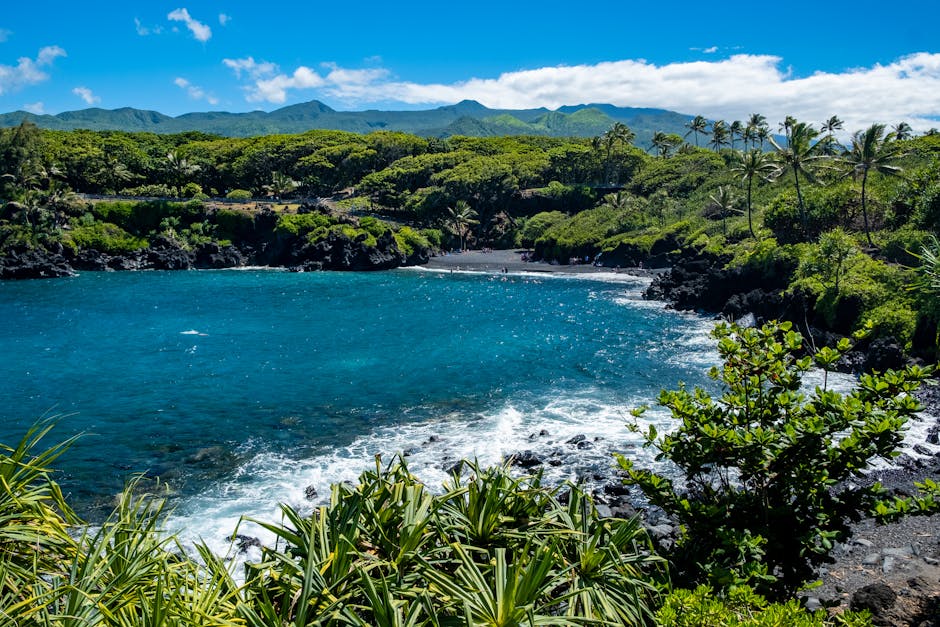
Picture this: you booked the highest-rated hotel on your preferred travel site for a Maui trip—4.8 stars, hundreds of glowing reviews, reasonable (for Hawaii) price. You land, check in, and then discover your snorkeling tour departs from Wailea Beach, your sunrise Haleakala hike starts at 4am from a trailhead 45 minutes away, and the hotel you chose sits on the wrong side of the island for both. The star rating was accurate. The location was a mismatch.
This is the most expensive mistake Maui travelers make, and it happens constantly. A high star rating says nothing about which beaches a hotel accesses, how far it sits from the airport, or whether surf conditions nearby are calm enough to swim. Understanding Maui’s geography before booking prevents that outcome better than reading 300 guest reviews ever will.
Why Hotel Location on Maui Matters More Than Star Rating
Maui is not one destination. It’s 727 square miles divided into distinct micro-climates and activity corridors. The prevailing trade winds arrive from the northeast, which means the southwest (leeward) coast receives calmer water and less wind—the reason Wailea has more reliable snorkeling conditions than the north shore on most days of the year. The west coast faces southwest, catching the island’s best sunsets. The remote east coast holds the lush rainforest and waterfall corridors of the Road to Hana.
Choosing a hotel before locking in your zone is backwards. Fix the zone first. Then choose the property.
The Wailea Zone (Southwest Coast)
Wailea is Maui’s luxury resort corridor—dense, competitive, and expensive. The leeward geography delivers calmer surf, better water visibility, and fewer beach closures than anywhere else on the island. The Four Seasons Maui at Wailea, Andaz Maui, Grand Wailea (Waldorf Astoria), Fairmont Kea Lani, and Wailea Beach Resort by Marriott all occupy this stretch within a few miles of each other. That competition is real and creates genuine pricing variation: comparable rooms at the Four Seasons and the Andaz can differ by $300-$500/night depending on the season. Wailea’s main weaknesses are the 30-40 minute drive from Kahului Airport and its position as the farthest zone from the Road to Hana starting point.
The Ka’anapali and West Maui Zone
Ka’anapali Beach is three miles of west-facing shoreline 23 miles north of Wailea. Consistently swimmable, it serves as the departure point for whale-watching tours from December through April, snorkeling charters, and access to Black Rock’s reef. The hotel lineup—Hyatt Regency Maui Resort and Spa, Westin Maui Resort and Spa, Sheraton Maui Resort and Spa, Ka’anapali Beach Hotel—runs somewhat less expensive than Wailea’s top tier. Rates typically land in the $350-$700/night range for mid-to-upper-mid properties.
One critical post-2026 note: Lahaina, 3 miles south of Ka’anapali, was largely destroyed in the August 2026 wildfire. Hotels marketing proximity to Lahaina’s dining and shopping scene can no longer deliver that. The beach and water access remain fully intact—the Ka’anapali experience itself is unchanged—but the dining infrastructure has shifted considerably.
Kapalua and the Far North
Kapalua, 10 miles north of Ka’anapali, is deliberately uncrowded and expensive. The Montage Kapalua Bay ($900-$1,600/night) sits above one of the island’s best protected bays for swimming and snorkeling. All-suite, quiet, with strong golf access. For most first-time Maui visitors, it’s too remote. For honeymooners and repeat visitors who know what they want, it’s the correct call.
Maui Hotel Zone Comparison at a Glance

| Zone | Best For | Peak Nightly Range | Airport Drive | Key Weakness |
|---|---|---|---|---|
| Wailea | Calm beaches, luxury, snorkeling | $650–$1,800+ | 30–40 min | Far from Hana; heavy resort fees |
| Ka’anapali | Sunsets, whale watching, families | $350–$900 | 20–25 min | Lahaina dining largely gone post-fire |
| Kapalua | Seclusion, golf, honeymooners | $900–$1,600+ | 35–40 min | Very limited off-resort dining |
| Kihei | Budget stays, condo rentals | $120–$350 | 20–25 min | No full-service luxury hotels |
| Hana | Isolation, waterfall access | $500–$800 | 2.5–3 hrs drive | One main hotel; extremely remote |
Kihei sits between the airport and Wailea, essentially a condo and vacation rental zone. No full-service luxury hotels exist here. For travelers building an itinerary around activities and needing a clean, central place to sleep, Kihei works—and frees up substantial budget for experiences.
Which Luxury Property Is Actually Worth the Rate
At Maui’s true luxury tier, the honest position is this: the guest experience gap between the top Wailea properties is smaller than the price differential implies. What actually varies is service philosophy and aesthetic, not baseline quality.
Four Seasons Maui at Wailea (~$1,200–$1,800/night base)
Best service-to-friction ratio on the island. The Four Seasons maintains a higher staff-to-guest ratio than its Wailea neighbors, which shows in response times and in the absence of the low-grade upselling and fee opacity that appears at competitors. Resort fee: $65/night covering parking, beach chairs, and fitness access—more transparent than most. The oceanfront rooms on floors 5-8 facing Wailea Beach are the best-value configuration in the building. Not the cheapest rooms, not the most expensive, but the ones that deliver on what the property actually does well.
Pick this if service consistency matters more than novelty.
Andaz Maui at Wailea Resort (~$650–$950/night base)
Hyatt’s lifestyle brand hits the luxury tier at 40-50% lower cost than the Four Seasons with a design-forward aesthetic. The pool setup is genuinely exceptional—tiered infinity pools, swim-up bar, direct access to Mokapu Beach, which is less crowded than Wailea Beach a short walk north. Best luxury-per-dollar ratio on the southwest coast. Rooms run smaller than Four Seasons equivalents. Service is somewhat less refined. That’s the real trade.
Fairmont Kea Lani (~$700–$1,100/night)
The only all-suite resort on Maui. Minimum room: 840 square feet. For families or anyone staying 5+ nights, the space matters—you’re not living out of a 380-square-foot hotel room for eight days. The Villa category (private plunge pool, 1,500-2,200 sq ft) runs $1,500-$2,500/night and is the most defensible ultra-luxury spend on the island for groups of 4-6 splitting the cost. Polo Beach location sits slightly south of the main Wailea strip; quieter beach, slightly less foot traffic.
Grand Wailea—Waldorf Astoria (~$700–$1,200/night)
The 40-acre water park changes everything. Nine pools, two waterslides, a lazy river, a hydraulic water elevator—for families with kids aged 5-14, nothing else on Maui competes. For couples seeking tranquility, it’s the wrong property entirely. The $65/night resort fee is standard for the zone, but parking management at peak summer hours is genuinely chaotic. Budget extra time getting in and out.
Mid-Range Hotels That Deliver Without the Luxury Markup
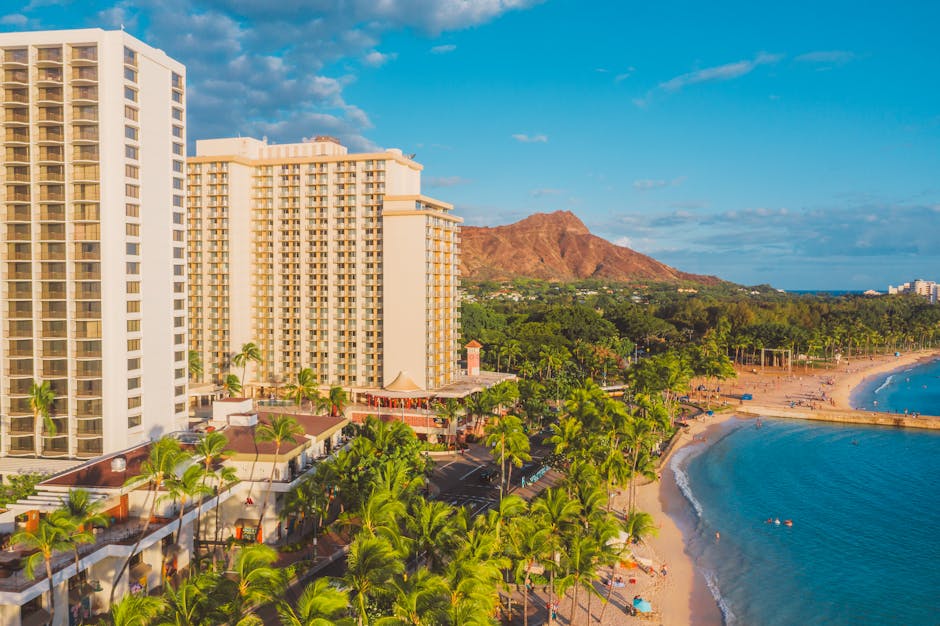
The $250-$500/night tier on Maui is thinner than it should be. The island’s development model concentrated investment at the luxury end. Four properties that hold up:
- Hyatt Regency Maui Resort and Spa — $350–$650/night. The best full-service option in the west coast mid-tier. Direct Ka’anapali Beach access, solid pool complex, and a penguin habitat that sounds gimmicky and proves memorable for families. Garden-view rooms at $350-$420 represent the value entry point. Hyatt World of Hyatt points accumulation rate here is strong relative to cash costs.
- Ka’anapali Beach Hotel — $300–$480/night. Independently owned, not a chain property. Runs a genuine Hawaiian cultural program—daily hula performances, lei-making, coconut frond weaving—that big-brand resorts attempt and execute poorly. Rooms are older and less polished than the Hyatt or Westin next door. That’s the tradeoff. For travelers who specifically want an authentically Hawaiian experience over branded polish, this is the correct pick.
- Sheraton Maui Resort and Spa — $400–$700/night. Positioned directly on Black Rock at Ka’anapali’s north end. The snorkeling off the hotel’s beach—sea turtles, large reef fish, reliable visibility year-round—is consistently some of the best accessible snorkeling on the west side. Rooms facing Black Rock cost more and justify it. Marriott Bonvoy points redemption rates here can beat cash pricing in shoulder season.
- Wailea Beach Resort—Marriott — $400–$750/night. Sits between the Andaz and Four Seasons on Wailea Beach and gets consistently overlooked because of those neighbors. The 2019 renovation brought rooms to competitive standard. Bonvoy points value against cash rates tends to be favorable, particularly May through June.
When Booking a Maui Resort Is the Wrong Decision
If your itinerary is built around the Road to Hana, a Haleakala sunrise, north shore surfing, and Iao Valley hikes, a full-service Wailea resort is a financial mistake. You’re paying $600-$1,200/night for a property you leave at 6am and return to at 9pm exhausted. The pool, beach service, and restaurant access don’t get used.
In that case: book a vacation rental in Kihei or Paia. Save $300-$700 per night. Redirect those funds toward a helicopter tour over the island’s interior ($350-$450/person) or a private snorkeling charter. The resort model only pays off when you actually plan to be at the resort.
Four Booking Traps That Cost Maui Travelers Real Money
Are resort fees included in the quoted rate?
Almost never, on OTAs. The standard Maui resort fee runs $40-$75/night on top of the room rate, appearing at checkout rather than in initial search results. On a 7-night stay, that’s $280-$525 in charges that didn’t show in the price you compared. Expedia, Hotels.com, and Google Hotels have improved disclosure over the past two years, but the fee still frequently surfaces only at the final booking screen. Always check the hotel’s direct booking page first to see the full resort fee before comparing across platforms. In many cases, booking direct matches OTA pricing while including resort fee credits or parking.
Does the view category mean what it implies?
Not reliably. Maui hotels use a tiered classification—garden view, partial ocean view, ocean view, oceanfront—with real ambiguity in the middle two. A “partial ocean view” room can mean a sliver of blue visible between two buildings from a specific corner of the balcony. Before paying the upgrade, ask the property directly: “What percentage of the balcony view is unobstructed ocean?” That question gets a specific answer, and the answer tells you more than the room category label does.
Is peak season worth the premium for your specific itinerary?
Only for one use case. Peak season (mid-December through April, July-August) sees rates 35-60% above shoulder season. The Four Seasons Maui runs approximately $1,300/night in February versus $820/night in October. October and early November deliver near-identical weather with noticeably lower crowds at beaches and snorkeling sites. The one legitimate exception: whale season (January through March) is time-specific and centers on Ka’anapali boat tours. If whale watching is a primary reason for the trip, peak pricing buys access to something genuinely seasonal. For any other itinerary, the May-June and September-November windows are the better financial calculation.
Is the Hana-Maui Resort a base or a destination?
A destination. The Hana-Maui Resort ($500-$800/night) sits at the end of a 52-mile winding road taking 2.5-3 hours minimum. The property itself is beautiful—spa, organic farm, direct access to Hamoa Beach. But you’re not driving back to Ka’anapali for activities. Commit to 2-3 nights minimum or treat Hana as a day excursion from the west coast without spending the night. One-night bookings typically mean paying the full premium without enough time to justify it.
Back to the traveler in the opening who booked on star ratings alone and landed on the wrong side of the island: the fix isn’t finding a higher-rated hotel. It’s reversing the order of decisions. Lock in what you’re doing in Maui first—beach and resort time, active island exploration, or both—and let that answer identify the zone. The star rating is the last filter to apply, not the first.