
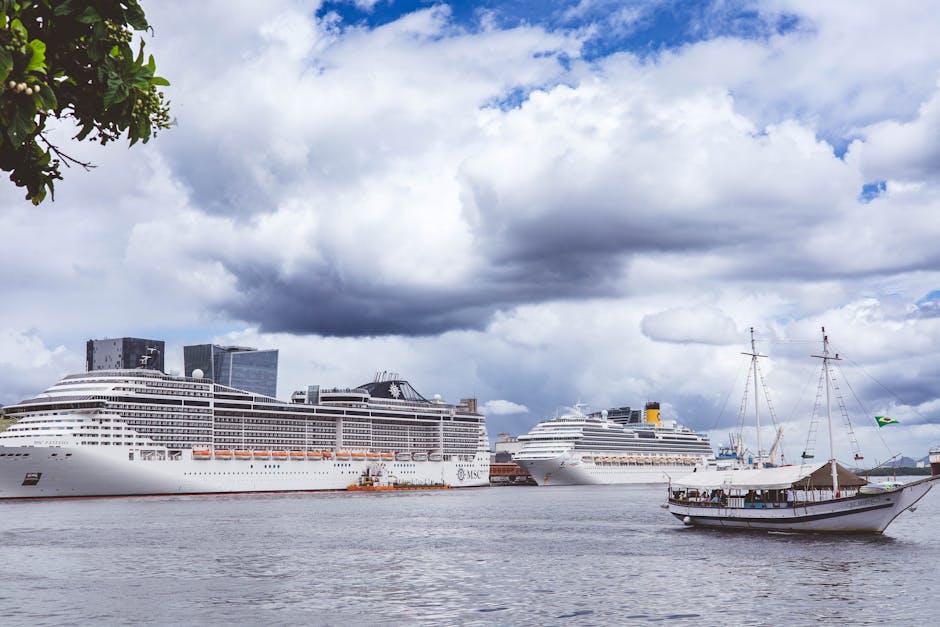
Planning a cruise feels like navigating a minefield. Endless options, conflicting reviews, and that nagging fear of picking the wrong ship – the one with screaming kids when you want quiet, or bland food when you crave gourmet. Most people just pick the cheapest deal or the one their friend went on, and that’s exactly how they end up disappointed. The reality is, the ‘best cruise ship’ doesn’t exist. There’s only the best cruise ship for you, and finding it requires cutting through the marketing noise and understanding what actually matters.
Why Most "Best Cruise Ship" Lists Get It Wrong
Most lists ranking the "best cruise ships" are utterly useless. They parade mega-ships with the most slides or the newest attractions, assuming everyone wants the same thing. This approach completely misses the point. Your ideal cruise is personal; it hinges on your travel style, your budget, and what you genuinely seek from a vacation. Blindly following a generic top-ten list is a guaranteed way to book a trip that leaves you feeling short-changed and frustrated in 2026.
The Myth of the Universal "Best" Cruise
There is no single best cruise ship, and anyone claiming otherwise is selling you something. A retired couple seeking a quiet, sophisticated journey to historical ports has entirely different criteria than a family with teenagers who want non-stop action and waterslides. Similarly, an adventurous solo traveler looking for remote destinations won’t find satisfaction on a party boat. The concept of "best" is subjective, tied directly to individual preferences for atmosphere, activities, dining, and destination.
Common Mistakes First-Timers Make
First-time cruisers often fall into predictable traps. Prioritizing the lowest price tag without understanding what’s included is a prime example. They might end up on a ship where every single amenity, from specialty dining to basic soft drinks, costs extra, quickly eroding any initial savings. Another frequent error is choosing a ship based purely on its size or a single flashy attraction, overlooking the overall ambiance and the crowd it attracts. Not researching the itinerary properly, assuming all ports offer similar experiences, also leads to disappointment. These missteps can turn a dream vacation into a stressful regret.
How to Define Your Own "Best"
Start by honestly assessing your priorities. What’s non-negotiable? Are you chasing adrenaline-pumping activities, serene relaxation, cultural immersion, or gourmet dining? Who are you traveling with – family, friends, a partner, or solo? What’s your realistic budget range per person per day, including flights and extras? Answering these questions upfront gives you a filter. For instance, if quiet relaxation is paramount, you immediately rule out ships known for their boisterous nightlife or extensive kids’ clubs. Define your "best" through a clear lens of personal preference, not marketing hype.
Decoding Cruise Ship Classes: What Fits Your Vibe?

Cruise ships aren’t one-size-fits-all. They come in distinct classes, primarily categorized by size, and understanding these differences is crucial for matching your expectations to the actual experience. Each class dictates the general atmosphere, the range of amenities, and even the types of itineraries a ship can offer. Don’t underestimate how much ship size impacts your entire vacation, especially when planning for 2026 travel.
Mega-Ships: Floating Cities and Their Trade-offs
Mega-ships are the giants of the sea, often carrying over 4,000 passengers and boasting an incredible array of features: multiple pools, water parks, rock-climbing walls, ice-skating rinks, dozens of dining venues, and Broadway-style theaters. These vessels are destinations in themselves, offering so much to do onboard that some passengers rarely even disembark in port. The trade-off? Crowds. Expect queues for popular attractions, packed dining rooms, and a less intimate experience. While impressive, their sheer scale means you’re trading personal service for an abundance of options. For families or groups seeking constant entertainment, they can be ideal. For those wanting quiet corners or personalized attention, they’re a poor fit.
Mid-Sized Ships: The Balance Act
Mid-sized ships typically accommodate 1,000 to 3,000 passengers. This category often strikes a desirable balance between the extensive amenities of mega-ships and the more intimate feel of smaller vessels. You’ll still find multiple dining options, pools, spas, and entertainment, but generally with fewer crowds and a more manageable layout. These ships can also access a wider range of ports than their larger counterparts, offering more varied itineraries. They often appeal to travelers who want a good selection of activities without feeling overwhelmed, or those who appreciate a slightly more refined atmosphere than the largest ships typically offer. It’s a sweet spot for many.
Small Ships: Intimacy and Niche Experiences
Small ships, often carrying fewer than 1,000 passengers, specialize in intimacy, personalized service, and access to unique destinations. These vessels can navigate smaller harbors, rivers, and remote coastal areas that mega-ships simply cannot reach. The focus is less on onboard attractions and more on the destinations themselves, offering a richer, more immersive cultural experience. Dining is often open-seating, service is highly attentive, and the atmosphere is typically sophisticated and relaxed. While they come with a higher price tag, the value lies in unparalleled access, curated itineraries, and a truly bespoke travel experience. This class includes luxury lines, river cruises, and expedition vessels, catering to travelers seeking depth over spectacle.
Family-Friendly vs. Adult-Only: Making the Right Call
One of the most critical decisions for a successful cruise vacation is understanding the target demographic of the ship. Misjudging this can lead to significant frustration. A ship packed with kids and child-centric activities will be a nightmare for a couple seeking a romantic getaway, just as an adults-only ship would be a complete letdown for a family with young children. Be honest about your travel companions and their needs for 2026.
What Truly Defines a "Family-Friendly" Experience?
A truly family-friendly cruise ship goes far beyond just having a kids’ club. It means dedicated, supervised programs for various age groups (toddlers, kids, tweens, teens) with engaging activities that keep them entertained. It implies a strong focus on family-centric dining, including casual options, kid-friendly menus, and flexible mealtimes. You’ll find extensive water parks, arcade games, sports courts, and often character experiences. The atmosphere is generally lively, often bustling, and accommodating to the needs of parents and children alike. Staterooms are designed with families in mind, frequently offering connecting rooms or larger suites with multiple sleeping areas. These ships are built to manage and cater to the energy and diverse needs of children.
The Appeal of Adult-Only Cruising
Adult-only cruises (or ships with distinct adult-only areas) cater to those seeking tranquility, sophisticated entertainment, and an environment free from the exuberant energy of children. These cruises often feature more upscale dining, a wider selection of bars and lounges, and entertainment geared towards mature audiences, such as live jazz, cabaret, or casinos. The pace is typically more relaxed, with an emphasis on spa services, quiet pools, and enriching lectures. The primary appeal is the absence of noise and distractions, allowing for genuine relaxation, romantic moments, or focused cultural immersion. For honeymooners, empty nesters, or friends traveling together, an adult-only experience offers a distinct and often more refined atmosphere.
Hybrid Options and Their Realities
Some cruise lines offer a hybrid approach, where a ship caters to families but also provides significant adult-only zones, such as a dedicated pool deck (like a "Serenity Deck"), specialty restaurants, or an adult-exclusive bar. While these areas can offer a welcome respite, it’s crucial to understand their limitations. On a large, family-focused ship, even a dedicated adult area might still feel impacted by the general family buzz, especially during peak seasons. These hybrid options work best for families with older children or those who can genuinely appreciate a balance, but they are not a substitute for a true adult-only cruise if peace and quiet are paramount.
Expedition vs. Mainstream: Adventure Level Explained
Not all cruises involve lounging by a pool with a cocktail. A significant divide exists between mainstream cruises, designed for broad appeal, and expedition cruises, crafted for the adventurous and curious. Choosing between these two distinct styles is about understanding your tolerance for roughing it versus your desire for comfort, and what kind of destinations truly excite you in 2026.
Mainstream Cruises: Comfort and Broad Appeal
Mainstream cruises are what most people envision when they think of cruising. They prioritize comfort, convenience, and a wide array of amenities. These ships typically ply popular routes in the Caribbean, Mediterranean, Alaska, and Mexico, docking at well-developed ports with established tourist infrastructure. The focus is on relaxation, entertainment, diverse dining, and shore excursions that range from beach days to historical tours. You’ll find casinos, shops, spas, and multiple entertainment venues onboard. The overall experience is highly curated and predictable, designed to appeal to a broad demographic seeking a hassle-free, comfortable vacation with plenty of options to fill their days and evenings. This style is about enjoying the journey and the destinations from a position of ease.
Expedition Cruises: Raw Exploration and Higher Cost
Expedition cruises are for the intrepid traveler. These smaller, often more rugged ships are purpose-built to navigate remote, ecologically sensitive, or climatically challenging regions like the Arctic, Antarctic, Galapagos, or the Amazon. The emphasis is entirely on immersion in nature, wildlife viewing, and educational experiences, often led by onboard naturalists, geologists, and historians. Daily activities involve zodiac landings, kayaking, hiking, and snorkeling in pristine environments. Comforts are secondary to the experience of raw exploration, though many expedition ships still offer excellent dining and cozy cabins. Expect a higher price point due to specialized equipment, expert guides, and access to unique, less-traveled destinations. If your idea of a perfect vacation involves spotting rare wildlife in a remote fjord, this is your choice.
When a "Luxury" Cruise Isn’t Enough Adventure
Some travelers mistakenly believe that a "luxury" cruise automatically equates to an adventurous one. While many luxury lines offer impeccable service, gourmet dining, and elegant accommodations, their itineraries typically stick to well-trodden, albeit upscale, ports. The adventure quotient is often limited to curated shore excursions in these established destinations. An expedition cruise, by contrast, is inherently adventurous due to its focus on remote locations and active, immersive exploration. If your definition of adventure extends beyond boutique shopping in Monaco or a guided tour of a European city, and leans more towards encountering penguins in their natural habitat or navigating ice-filled channels, then an expedition cruise is what you need, regardless of how "luxury" a mainstream ship claims to be.
Budgeting for Your Cruise: Hidden Costs to Anticipate
The advertised price of a cruise is almost never the final price. Many first-timers are blindsided by additional expenses that quickly inflate their vacation budget. Understanding these potential hidden costs upfront is crucial for a realistic financial plan and avoiding unpleasant surprises on your 2026 trip. Don’t assume everything is included.
Beyond the Base Fare: What’s Actually Included?
The base fare typically covers your cabin, most meals in the main dining rooms and buffets, basic entertainment, and access to common areas like pools. That’s often it. What’s usually NOT included? Gratuities (often mandatory and added daily to your bill, averaging $15-$25 per person per day), alcoholic beverages, specialty coffees, bottled water, Wi-Fi, laundry services, spa treatments, fitness classes, and sometimes even soft drinks. Always scrutinize the "what’s included" section of any cruise description. Some luxury lines are more inclusive, but assume a budget cruise will have a longer list of exclusions.
Onboard Spending: Drinks, Wi-Fi, and Specialty Dining
These are the biggest budget busters. Drink packages can range from $60-$100 per person per day, a significant add-on, especially for multiple people. Individual drinks add up quickly. Wi-Fi can be expensive and slow, often costing $20-$30 per day for basic access, or hundreds for a full voyage. Specialty restaurants, while often excellent, carry an extra charge, typically $30-$75 per person. Souvenirs, casino gambling, and photos also contribute. It’s easy to spend an extra $100-$200 per person per day onboard if you’re not careful. Create a daily spending allowance and stick to it.
Shore Excursions and Pre/Post-Cruise Expenses
Your time in port comes with its own costs. Cruise line-organized shore excursions can range from $50 for a simple beach transfer to over $300 for elaborate tours or unique experiences. While you can often explore independently, this still involves local transport, entrance fees, and meals ashore. Then there are the pre and post-cruise expenses. Flights to and from the embarkation/disembarkation ports, hotel stays if you arrive a day early (highly recommended to avoid travel delays), and transfers to the cruise terminal are all significant costs. Factor in travel insurance as well, which is a non-negotiable expense for any prudent traveler. Ignoring these layers of cost will leave you well over budget.
Choosing the Right Itinerary: Destination or Ship First?
This is a fundamental chicken-or-egg question in cruise planning: do you pick the destination you want to see, or the ship you want to experience? Your answer profoundly impacts the entire feel of your 2026 vacation. There’s no single correct approach, but one will always take precedence for a truly satisfying trip.
Prioritizing the Destination: When the Journey is Secondary
If your primary goal is to explore specific regions, cultures, or natural wonders, then the destination must come first. You’re looking for an immersive experience in places like the glaciers of Alaska, the ancient ruins of the Mediterranean, or the vibrant markets of Southeast Asia. In this scenario, the ship serves as a comfortable floating hotel that transports you between these coveted locations. You’ll likely spend more time ashore, focusing on shore excursions and local exploration. The amenities of the ship become secondary; you need a clean cabin, good food, and reliable transport, but you might not care about waterslides or robot bartenders. This approach is common for cultural cruises, expedition trips, or those seeking profound geographical immersion.
Prioritizing the Ship: When the Vessel is the Destination
For many, the cruise ship itself is the star of the show. If your ideal vacation involves luxury amenities, gourmet dining, dazzling entertainment, and a wide array of onboard activities – perhaps waterslides, casinos, multiple pools, or a spa – then you should choose the ship first. The ports of call, while pleasant, are almost incidental. Passengers spend significant portions of their time enjoying the vessel’s offerings, often seeing the ports as a brief opportunity to stretch their legs before returning to the ship’s comforts. This strategy is popular with families seeking constant entertainment for kids, groups looking for a vibrant social scene, or individuals who prioritize relaxation and pampering over intense sightseeing. In this case, the destination is less about specific cultural sites and more about a warm climate or a scenic backdrop for the ship’s attractions.
Seasonality and Port Congestion in 2026
Regardless of whether you prioritize the ship or the destination, seasonality and potential port congestion in 2026 are critical factors. Traveling during peak season (e.g., summer in Europe, winter in the Caribbean) means higher prices, more crowded ships, and often, more congested ports with longer lines for attractions. Shoulder seasons (spring and fall) often offer better value, fewer crowds, and more comfortable weather, though some attractions might have reduced hours. Researching typical port conditions and choosing off-peak times can significantly enhance your experience, particularly if you prioritize destination immersion. A great itinerary can be ruined by overwhelming crowds and a rushed feeling ashore.
Amenities That Matter: Separating Gimmicks from Genuine Value
Cruise lines constantly introduce new "innovations" – robot bartenders, virtual balconies, multi-deck slides. While some are genuinely fun, many are just marketing fluff. It’s crucial to distinguish between fleeting gimmicks and amenities that truly enhance your cruise experience, ensuring you get real value for your money in 2026.
Essential Inclusions: What You Should Expect
Regardless of the cruise type, certain amenities should be considered standard. This includes a comfortable, well-maintained cabin, clean public spaces, access to potable water, and a variety of dining options in the main restaurants and buffets. Basic entertainment, like live music in lounges or stage shows, should also be part of the package. A decent fitness center, a basic pool, and attentive service are also non-negotiables. These are the foundational elements that contribute to a pleasant and comfortable journey. Anything less means you’re likely paying too much or settling for an inferior experience.
High-Tech Gimmicks vs. Practical Innovations
Cruise ships are laboratories for new concepts. Robot bartenders might be novel, but they don’t replace human interaction and often come with long queues. Virtual balconies, while clever, are still just screens. Practical innovations, however, make a real difference: improved Wi-Fi speeds, better air filtration systems, efficient stateroom layouts, and advanced navigation that reduces motion sickness. Look for amenities that genuinely solve a problem or enhance comfort, rather than just providing a fleeting photo opportunity. For example, a well-designed app that allows for easy booking of dining and activities is a practical innovation; a 10-story dry slide, while thrilling, is a gimmick for a small percentage of passengers.
The Real Value of Personalized Service
Ultimately, the most valuable "amenity" on any cruise ship is exceptional service. This isn’t something you can quantify with a spec sheet, but it profoundly impacts your enjoyment. It means staff remembering your name, anticipating your needs, and going the extra mile to make your experience seamless. This level of personalized attention is more commonly found on smaller, luxury, or expedition ships, where the crew-to-guest ratio is higher. While mega-ships strive for good service, the sheer volume of passengers often makes truly personalized care challenging. Consider whether you value discreet, attentive service over flashy attractions. For many, a genuinely helpful and friendly crew transforms a good trip into an unforgettable one. Don’t compromise on the human element; it’s what differentiates a truly great cruise from an average one, regardless of how many bells and whistles the ship boasts.