The Lake District National Park attracts more than 15.8 million visitors annually, yet hotel occupancy rates within the region fluctuate by as much as 45% between the peak of August and the troughs of January. This volatility creates a pricing landscape where the same room can vary in cost by over £150 per night depending on the booking window and seasonal demand. Finding genuine hotel deals in the Lake District requires an understanding of how local hoteliers manage their inventory against these predictable shifts in footfall.
When is the cheapest time to book Lake District hotels?
Data from regional tourism boards indicates that the lowest average daily rates (ADR) occur in the period immediately following the New Year holiday. From the second week of January through late February, excluding the Valentine’s Day weekend, prices for four-star properties in areas like Bowness-on-Windermere often drop to their annual floor. During this window, travelers can frequently secure rooms for £95 to £120 per night that would otherwise command £250 in July.
Mid-week stays remain the most consistent method for reducing costs regardless of the season. A Tuesday-to-Thursday booking typically yields a 20% to 30% discount compared to Friday and Saturday nights. This is driven by the region’s heavy reliance on domestic weekend leisure travelers. Business travel is minimal in the central Lakes, meaning mid-week surplus inventory is common.
The Shoulder Season Advantage
The months of November and March represent the most significant value for those seeking a balance between weather and price. During these months, many high-end estates offer “Winter Escape” packages. These are not merely discounts but bundled value propositions designed to maintain staff levels during lower occupancy. Rainfall is statistically higher, but the trade-off is access to premium properties like Lodore Falls Hotel & Spa or The Swan at Grasmere at rates significantly below their summer peaks.
The “Twixmas” Pricing Anomaly
The period between December 27th and December 30th is a unique window in the Cumbrian hospitality market. While Christmas and New Year’s Eve command the highest premiums of the year, the few days separating them often see a brief dip in occupancy. Hotels frequently release these dates at a discount 14 to 21 days in advance to fill gaps between holiday residential packages. Monitoring specific hotel websites during early December can reveal these short-term price drops.
Comparing mid-range vs. luxury hotel deals in Windermere and Ambleside
Windermere and Ambleside serve as the primary hubs for Lake District tourism, housing the highest concentration of both luxury spa hotels and traditional guest houses. Because of this density, competition is fierce, leading to aggressive pricing strategies among mid-range providers. However, a “deal” in Windermere often looks different than one in a more remote valley like Wasdale or Eskdale.
Luxury properties in this corridor, such as Low Wood Bay Resort & Spa, utilize sophisticated revenue management software. Prices change dynamically based on real-time search volume. Conversely, smaller mid-range hotels often use static seasonal pricing. This means that during high-demand events, such as the Great North Swim, a luxury hotel might become prohibitively expensive while a mid-range property remains at its standard seasonal rate, offering better relative value.
| Hotel Type | Property Example | Typical Off-Peak Rate | Typical Peak Rate | Value Indicator |
|---|---|---|---|---|
| Luxury Spa | The Daffodil Hotel & Spa | £160 | £350+ | Best for mid-week spa packages |
| Mid-Range Boutique | The Wild Boar | £130 | £210 | Consistent value with high-end dining |
| Budget/Inn | The Ambleside Inn | £85 | £155 | Functional, central location |
Evaluating Value in Windermere
The Beech Hill Hotel & Spa often appears in discount aggregators. Located on the eastern shore of Windermere, it offers an outdoor spa pool and lake views. A standard double room here can often be found for approximately £115 during the shoulder season.
Pros: Exceptional views, inclusive spa access, and frequent multi-night discounts.
Cons: Some rooms require modernization, and the location requires a car or taxi for access to Bowness center.
Ambleside Value Options
The Salutation Hotel is a prime example of a mid-range property that offers significant value through its leisure facilities. While the base rate of £140 might seem higher than a standard B&B, the inclusion of a high-quality gym, pool, and sauna reduces the need for external entertainment spending.
Pros: Central location, excellent breakfast, high-quality spa facilities for the price point.
Cons: Parking is extremely limited and often requires a permit for a nearby public lot.
How to find discounted rates at independent Lake District inns
Independent inns and pubs with rooms account for a large percentage of the Lake District’s bed stock. These businesses often pay commissions ranging from 15% to 25% to major online travel agencies (OTAs). To circumvent these fees, many independent owners offer incentives for direct bookings that are not advertised on third-party sites. These incentives rarely take the form of a lower base price—due to rate parity agreements—but instead manifest as added value.
Common direct-booking benefits in the Lakes include complimentary room upgrades, late check-outs, or vouchers for the hotel bar. For an independent inn, a £10 drink voucher is cheaper than a £30 commission fee paid to a booking platform. When searching for deals, identifying the parent company of a group of inns can also unlock hidden savings. For instance, the Individual Inns group or Daniel Thwaites often run loyalty programs that provide a 10% discount on the first booking for members.
Before finalizing a booking through a major aggregator, call the hotel reception directly. Ask if they have any “resident rates” or “direct booking perks” currently active. In approximately 40% of cases, the hotel will offer an unlisted benefit to secure the booking without the OTA commission.
The Role of Newsletter Subscriptions
Unlike urban hotels that rely on business volume, Lake District properties depend on repeat leisure guests. Their email newsletters are frequently used to dump distressed inventory. If a hotel has a block of rooms unbooked for the upcoming weekend, they will blast a private offer to their mailing list on a Tuesday or Wednesday. Properties like Another Place, The Lake (Ullswater) are known for offering flash 24-hour sales to their subscribers that never reach public discount sites.
Evaluating the value of dinner, bed, and breakfast (DBB) packages
In the Lake District, the cost of dining out can significantly impact the total trip budget. A standard two-course dinner at a reputable gastropub in Keswick or Grasmere typically costs between £35 and £50 per person, excluding drinks. Many hotels offer a Dinner, Bed, and Breakfast (DBB) rate that appears significantly higher than the Room Only or B&B rate at first glance. However, the mathematical reality often favors the package.
For example, if a room is £150 B&B and the DBB rate is £210, the additional £60 covers dinner for two people. This effectively prices the dinner at £30 per person. Given that the a la carte menu prices at the same hotel restaurant might total £45 for the same meal, the DBB package represents a 33% discount on food. This is a common strategy used by hotels to keep guests on-site and increase bar revenue.
When to Avoid DBB Packages
The DBB model loses value in towns with high culinary density, such as Ambleside or Cartmel. If you are staying at a hotel in the center of Ambleside, you are within walking distance of dozens of independent restaurants. Locking yourself into a hotel dinner package limits your flexibility and may prevent you from experiencing better-value local eateries. Conversely, for isolated properties like The Langdale Hotel, the DBB package is almost always the more economical choice because alternative dining options require a drive and offer similar pricing.
Hidden Costs in “Deal” Packages
It is necessary to examine the specific terms of a dinner inclusion. Some hotels offer a “£35 per person allowance” toward the a la carte menu rather than a set three-course meal. In high-end establishments, £35 may only cover a main course and a side dish, leading to a surprise bill at checkout. Always clarify whether the DBB rate covers a full menu or a fixed monetary credit.
Are last-minute deals or early bird bookings more effective for Cumbrian stays?
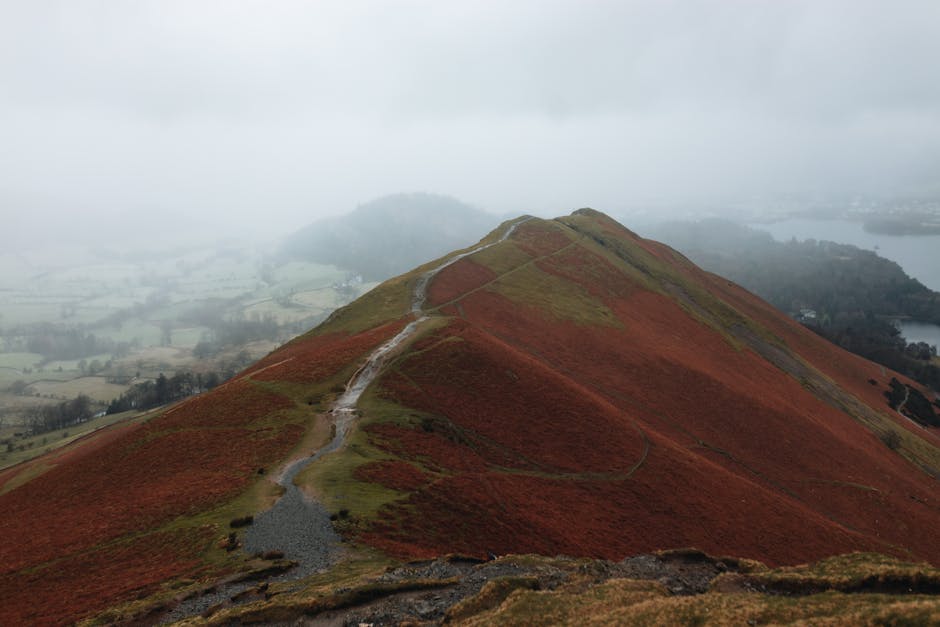
The effectiveness of last-minute booking in the Lake District is heavily dependent on the weather forecast. Because the region is a primary destination for hikers and outdoor enthusiasts, a forecast of clear skies can cause a surge in last-minute bookings, driving prices up or exhausting inventory entirely. Conversely, a forecast of heavy rain often leads to cancellations, prompting hotels to slash prices 48 to 72 hours before the date.
For travelers who are flexible and can travel on short notice, the “hidden” inventory on apps like HotelTonight or the “Late Rooms” section of local sites can offer discounts of 40% or more. However, this is a high-risk strategy during the peak months of June through September, when the baseline demand is high enough that hotels rarely need to discount to reach full occupancy.
The Early Bird Strategy for Peak Dates
For stays during bank holidays, school holidays, or the popular autumn leaf-peeping season (late October), booking six to nine months in advance is the only reliable way to secure a deal. Most Lake District hotels release their inventory 12 months in advance. The initial rates are often set lower to build a base occupancy. Once a hotel reaches 50% occupancy for a specific date, the automated pricing systems begin to incrementalize the rate.
Cancellation Policy Arbitrage
A sophisticated method for securing the best rate involves booking a refundable “Early Bird” rate months in advance. As the date approaches, monitor the hotel’s direct website. If the weather forecast is poor and the hotel has not met its occupancy targets, they may release a non-refundable “Last Minute” rate that is lower than your original booking. You can then book the cheaper rate and cancel the original flexible booking. This ensures you have a room at a guaranteed price while maintaining the option to capitalize on downward price movements.
Ultimately, the Lake District hotel market rewards those who look beyond the headline price. By calculating the value of inclusive meals, understanding the commission structures of independent inns, and timing visits to coincide with the post-holiday lull, travelers can access some of the UK’s most prestigious properties at a fraction of their standard cost. The data shows that the most expensive way to visit the Lakes is to book a weekend stay, three weeks in advance, through a major OTA during the summer—avoiding this specific combination is the first step toward a genuine deal.